

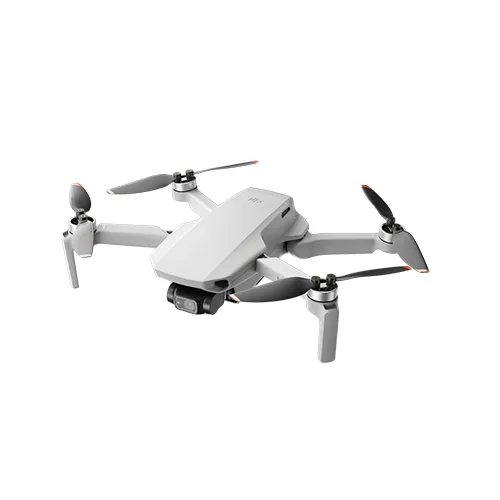
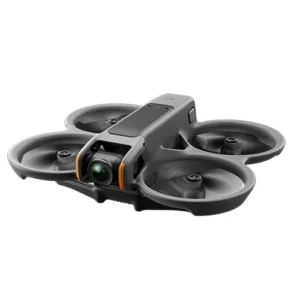
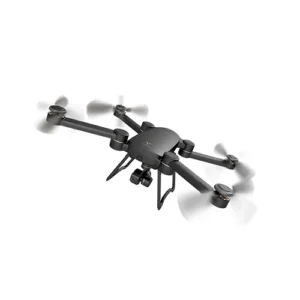
Introducing our cutting-edge Agricultural Protection Drone, designed to revolutionize modern farming with its smart features and efficient spraying capabilities. This drone is equipped with advanced technology to ensure precise and even coverage, making it the ideal solution for protecting your crops from pests and diseases. With its easy-to-operate interface and robust performance, our Agricultural Protection Drone is a must-have for any farmer looking to enhance their productivity and efficiency

Product performance parameters | |||||
Empty weight | 44.5KG | Wind resistance | Level 6 | Remote control distance | 1000m |
Takeoff full weight | 98KG | Power Type | battery | Flight speed | 0-15 meters per second |
Ceiling | 30m | endurance | 20 minutes | operating speed | 0-6meters per second |
Arm thickness | 1.5mm | Working temperature range | 0-40°C | ||
material | carbon fibre | Quantity of nozzles | 4 | ||
Satellite positioning system | GPS Beidou Glonass Galileo | Spray width | 5-9m | ||
Customizable projects | Ground penetrating radar | Front and rear obstacle avoidance radar | Mechanical Test Report | Available | |
可定制项目 | Centrifugal nozzle | Network RTK module | Camera | Video factory inspection | Available |
Introduction to the function of accessories:
The frame of a drone serves several purposes:
1. Mounting and Support: It mounts and supports various devices and components of the drone, such as motors, propellers,
batteries, etc.
2. Providing a Stable Platform: It provides an overall stable and sturdy platform for the drone, ensuring that the rotation of
the motors does not damage other equipment and providing a stable operating environment for the flight controller.
3. Connection and Fixation: It serves as the foundation for mounting other structural components, connecting the arms, landing
gear, gimbal, and other equipment into a single unit.
4. Cushioning and Protection: Equipment such as landing gear provides cushioning for safe takeoff and landing of the drone, while also protecting the onboard equipment from damage.
1. Mounting and Support: It mounts and supports various devices and components of the drone, such as motors, propellers,
batteries, etc.
2. Providing a Stable Platform: It provides an overall stable and sturdy platform for the drone, ensuring that the rotation of
the motors does not damage other equipment and providing a stable operating environment for the flight controller.
3. Connection and Fixation: It serves as the foundation for mounting other structural components, connecting the arms, landing
gear, gimbal, and other equipment into a single unit.
4. Cushioning and Protection: Equipment such as landing gear provides cushioning for safe takeoff and landing of the drone, while also protecting the onboard equipment from damage.
The role of flight control:
The flight control system of a drone serves as the “brain” of the drone. Its primary role is to control and stabilize the flight
status of the drone, ensuring its stability and safety in the air. Specifically, it receives, processes, and executes flight
instructions, uses sensors to acquire flight data, and calculates corresponding control commands to drive motors and servos,
enabling the drone to perform actions such as takeoff, hovering, flying, and landing. Additionally, it is responsible for
functions like attitude stabilization, navigation and positioning, remote control reception, automatic flight, fault protection,
data collection, data processing, instruction execution, and feedback adjustment.
status of the drone, ensuring its stability and safety in the air. Specifically, it receives, processes, and executes flight
instructions, uses sensors to acquire flight data, and calculates corresponding control commands to drive motors and servos,
enabling the drone to perform actions such as takeoff, hovering, flying, and landing. Additionally, it is responsible for
functions like attitude stabilization, navigation and positioning, remote control reception, automatic flight, fault protection,
data collection, data processing, instruction execution, and feedback adjustment.
The function of flowmeter:
The role of a flowmeter in a drone is to monitor and measure the flow rate of fluids being used or carried by the drone. This is
particularly important in applications such as agricultural drones that spray pesticides, where precise control over the flow rate
of the pesticide is crucial to ensure even coverage and efficient use of the chemical. By measuring the flow rate, the flowmeter
allows for accurate control over the amount of fluid dispensed, enhancing the effectiveness and efficiency of the drone’s
operation.
particularly important in applications such as agricultural drones that spray pesticides, where precise control over the flow rate
of the pesticide is crucial to ensure even coverage and efficient use of the chemical. By measuring the flow rate, the flowmeter
allows for accurate control over the amount of fluid dispensed, enhancing the effectiveness and efficiency of the drone’s
operation.
The role of ground penetrating radar:
The role of ground-imitating radar (also known as terrain-following radar) in a drone is to provide real-time terrain information
and assist the drone in maintaining a constant altitude relative to the ground during flight. This helps the drone adapt to
various terrains, automatically adjust its flight height according to the terrain, and ensure safe and stable flight. It is
particularly useful in applications where drones need to fly close to the ground, such as agricultural spraying, power line
inspection, and geological survey.
and assist the drone in maintaining a constant altitude relative to the ground during flight. This helps the drone adapt to
various terrains, automatically adjust its flight height according to the terrain, and ensure safe and stable flight. It is
particularly useful in applications where drones need to fly close to the ground, such as agricultural spraying, power line
inspection, and geological survey.
The role of front obstacle avoidance radar and rear obstacle avoidance radar:
The role of front obstacle avoidance radar is to detect obstacles in front of the vehicle and assist the driver in avoiding
collisions. It can provide real-time information about obstacles in the vehicle’s path, allowing the driver to take evasive
actions promptly, thereby improving driving safety. It is especially useful in complex driving environments with limited
visibility or unpredictable obstacles.
collisions. It can provide real-time information about obstacles in the vehicle’s path, allowing the driver to take evasive
actions promptly, thereby improving driving safety. It is especially useful in complex driving environments with limited
visibility or unpredictable obstacles.
The function of brushless centrifugal nozzle:
The role of a brushless centrifugal spray nozzle in a drone is to efficiently and evenly distribute liquid pesticides or
fertilizers. By using a brushless motor to drive the centrifugal spray nozzle, it achieves high-speed rotation, which in turn
utilizes centrifugal force to atomize the liquid into fine droplets. This results in a more uniform spray pattern, improved
coverage, and enhanced pesticide or fertilizer utilization efficiency. Additionally, brushless motors offer longer lifespan, lower
maintenance requirements, and higher reliability compared to brushed motors.
fertilizers. By using a brushless motor to drive the centrifugal spray nozzle, it achieves high-speed rotation, which in turn
utilizes centrifugal force to atomize the liquid into fine droplets. This results in a more uniform spray pattern, improved
coverage, and enhanced pesticide or fertilizer utilization efficiency. Additionally, brushless motors offer longer lifespan, lower
maintenance requirements, and higher reliability compared to brushed motors.
The function of water pump:
The role of a water pump in a drone is to provide the necessary pressure to transport and distribute fluids such as water,
pesticides, or fertilizers. It is typically part of a spraying or watering system, where the pump draws the fluid from a tank or
reservoir, pressurizes it, and directs it through a hose to a spray nozzle or other outlet. This allows the drone to perform tasks
like crop dusting, irrigation, or cleaning at a distance and with precision.
pesticides, or fertilizers. It is typically part of a spraying or watering system, where the pump draws the fluid from a tank or
reservoir, pressurizes it, and directs it through a hose to a spray nozzle or other outlet. This allows the drone to perform tasks
like crop dusting, irrigation, or cleaning at a distance and with precision.
The function of the motor:
The role of a motor in a drone is to convert electrical energy into mechanical energy, driving the rotation of propellers to
generate thrust, enabling the drone to take off, hover, maneuver, and land. It serves as the “heart” of the drone’s propulsion
system.
generate thrust, enabling the drone to take off, hover, maneuver, and land. It serves as the “heart” of the drone’s propulsion
system.
The function of electronic speed controller:
The role of the Electronic Speed Control (ESC) in a drone is to precisely regulate the speed of the motor based on control signals
from the flight controller or remote controller. It converts the battery’s direct current (DC) input into alternating current (AC)
output of a certain frequency to control the motor’s rotation speed, thus enabling precise control over the drone’s flight speed,direction, and attitude.
from the flight controller or remote controller. It converts the battery’s direct current (DC) input into alternating current (AC)
output of a certain frequency to control the motor’s rotation speed, thus enabling precise control over the drone’s flight speed,direction, and attitude.
The role of the receiver:
The role of a drone receiver is to receive radio control signals from the remote controller and convert them into instructions
that the drone can understand. These instructions are then passed on to the flight control system, which uses them to adjust the
drone’s flight direction, altitude, speed, and other parameters, enabling remote control of the drone’s flight.
that the drone can understand. These instructions are then passed on to the flight control system, which uses them to adjust the
drone’s flight direction, altitude, speed, and other parameters, enabling remote control of the drone’s flight.
Reviews
There are no reviews yet.